
by Hx
Share
by Hx
Share
GLP-1 and GIP/GLP-1 Injections
Prescription Weight Management Treatment
GLP-1 and GIP/GLP-1 injections have become an important option for adults seeking prescription-based support for weight management. These medications work on hormone pathways involved in appetite, satiety, and blood-glucose regulation and should be used under appropriate medical supervision.
At WeightMedsNY, patients can learn about prescription weight-management options and discuss whether a GLP-1 or GIP/GLP-1 medication may be appropriate for their individual needs.
What Are GLP-1 Injections?
GLP-1 receptor agonists mimic the activity of a naturally occurring hormone called glucagon-like peptide-1 (GLP-1). Depending on the specific medication, GLP-1 treatment can help regulate appetite, increase feelings of fullness, and support blood-sugar control.
Prescription GLP-1 medications used for weight management include medications containing semaglutide and other approved therapies. Eligibility, dosing, and treatment schedules vary by medication and patient.
What Are GIP/GLP-1 Injections?
GIP/GLP-1 medications work through two hormone pathways: glucose-dependent insulinotropic polypeptide (GIP) and GLP-1. Tirzepatide is a prescription medication that targets both receptors.
For eligible adults, tirzepatide may be prescribed for chronic weight management alongside a reduced-calorie diet and increased physical activity. It is also used under the brand Mounjaro for certain adults with type 2 diabetes.
Personalized Prescription Weight Management For GLP-1 injections for weight management.
Weight management treatment should not follow a one-size-fits-all approach. A healthcare professional can review factors such as medical history, current medications, weight-management goals, and potential contraindications before determining whether treatment is appropriate.
Patients who receive a prescription should follow the prescribed dose and administration instructions. Regular follow-up can help healthcare professionals monitor progress, tolerability, and treatment needs.
Explore GLP-1 Weight Management Options
If you are researching prescription weight loss medication, WeightMedsNY provides educational information about GLP-1 and GIP/GLP-1 treatment options. Speak with a qualified healthcare professional to determine whether prescription treatment is appropriate for you.
Learn more about GLP-1 and GIP/GLP-1 injections and explore prescription weight-management options today. GLP-1 injections for weight management.
STAY IN THE LOOP
Subscribe to our free newsletter.
Leave A Comment
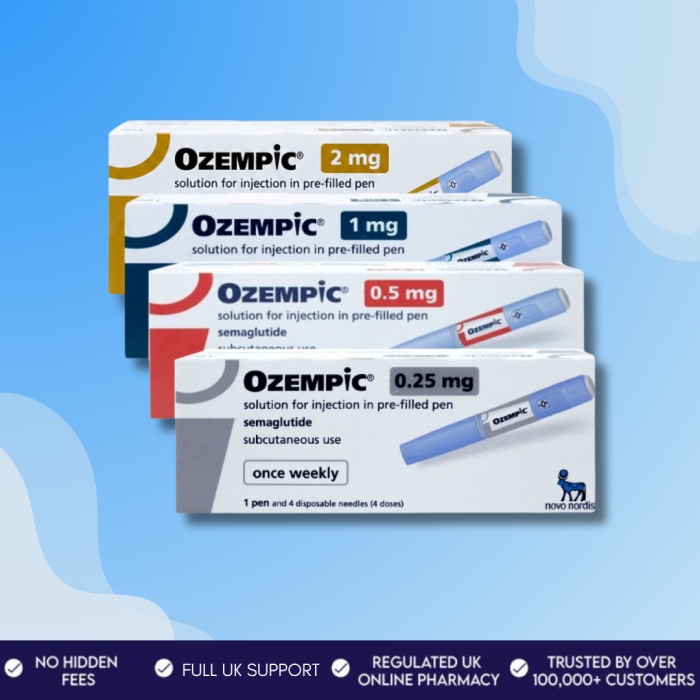
Popular Prescription Weight Loss Medications Prescription weight-loss medications have become an important treatment option for adults who need additional support with long-term weight management. Among the medications receiving substantial public and clinical attention are Wegovy, Zepbound, Saxenda, semaglutide, and tirzepatide. Wegovy (Semaglutide) Wegovy contains semaglutide, a GLP-1 receptor agonist approved for chronic weight management in

Ozempic® Injection | Prescription Diabetes Treatment Take Control of Your Diabetes with Ozempic (Semaglutide) Injection Managing type 2 diabetes demands reliable treatment to maintain steady blood sugar levels. Ozempic (semaglutide) injection offers a proven solution that supports your diabetes care plan effectively. This once-weekly injectable medication helps regulate blood glucose while promoting weight loss, improving

Wegovy® (Semaglutide) Injection | Prescription Weight Loss Treatment Achieve Your Weight Loss Goals with Wegovy® Struggling with weight management can feel overwhelming, but Wegovy® offers a scientifically proven solution to support your journey. This prescription medication aids weight loss by helping control appetite and improving metabolic health. When combined with diet and exercise, Wegovy® empowers

It began as a supply problem and evolved into a legal, regulatory, and political battle that touched hundreds of thousands of patients, a multibillion-dollar compounding pharmacy industry, two pharmaceutical giants, and the FDA itself. The story of GLP-1 drug shortages is still unfolding — and understanding it helps explain why access to these medications remains